AI Is Facing Some Headwinds
As Anthropic prepares to enter the public markets, we’re seeing a significant difference between today’s AI boom and the dot-com frenzy of 2000. Back then, the internet was still emerging, and investors had far fewer opportunities to independently scrutinize the enthusiasm surrounding new technologies. Today, ironically, that same internet is helping the public recognize and question speculation in real time.
The Price of AI’s Ambitions
Anthropic is experiencing extraordinary growth, with nearly $17 billion in quarterly revenue, yet investors are questioning whether its slowing growth, uneven operating profitability, and nearly $900 billion in future infrastructure commitments can justify its proposed $1.5 trillion valuation. Unlike established giants such as Apple, whose products, earnings, and cash flows provide decades of measurable performance, Anthropic’s valuation depends heavily on expectations of future profitability.
Its quarterly revenue growth slowed from 144% to 47%, while rising computing expenses are putting pressure on operating margins. The $900 billion represents future purchases and leases for chips, computing capacity, and infrastructure extending through 2045, with some arrangements subject to conditions and nearly $70 billion due within the next year. These commitments require substantial future revenue, additional capital, and infrastructure partners capable of delivering the promised capacity.
Credit concerns are emerging as well: Anthropic received a BB+ speculative-grade issuer rating from KBRA, while Blackstone expects major rating agencies to assign a similarly speculative rating after its IPO, potentially increasing borrowing costs. Some are even questioning the timing of its IPO, as investors seek a lower valuation, await more recent revenue figures, and reconsider large financial commitments amid volatile markets.
And Anthropic isn’t alone. OpenAI reportedly secured $11 billion so far in an ongoing fundraising round initially targeting $30 billion, with the target subsequently reduced to $20 billion amid a tepid response from some large investors. Both companies are competing for enormous amounts of capital at a time when investors are increasingly concerned about rising infrastructure costs, financial losses, and the eventual return on these investments.
The Growing Pushback
Meanwhile, websites like Reddit are reporting declining search traffic as AI increasingly provides answers without directing readers to original sources. Reddit reported losing more than a million weekly search referrals on average in October, with its CEO pointing to Google’s AI Overviews and AI Mode. Instead of visiting the original websites, users can increasingly receive answers directly within Google’s ecosystem. Some major publishers have even considered restricting or blocking Google’s access to their content entirely, despite the risk of losing valuable search visibility. A newer Chartbeat analysis found Google Search referrals to publishers in its network had fallen 40.2% over the year ending July 2026, raising questions about advertising revenue and the economics of producing original content.
Paid AI subscriptions continue to grow, but consumers still weigh their benefits against increasingly capable free alternatives. Businesses are also confronting the limitations of AI-generated work and the continuing need for human oversight. Some companies that eliminated positions through automation have subsequently rehired workers after discovering gaps in accuracy, customer service, and decision-making. The promised productivity gains are increasingly being measured against the cost of correcting errors and maintaining quality.
The Cost of Expansion
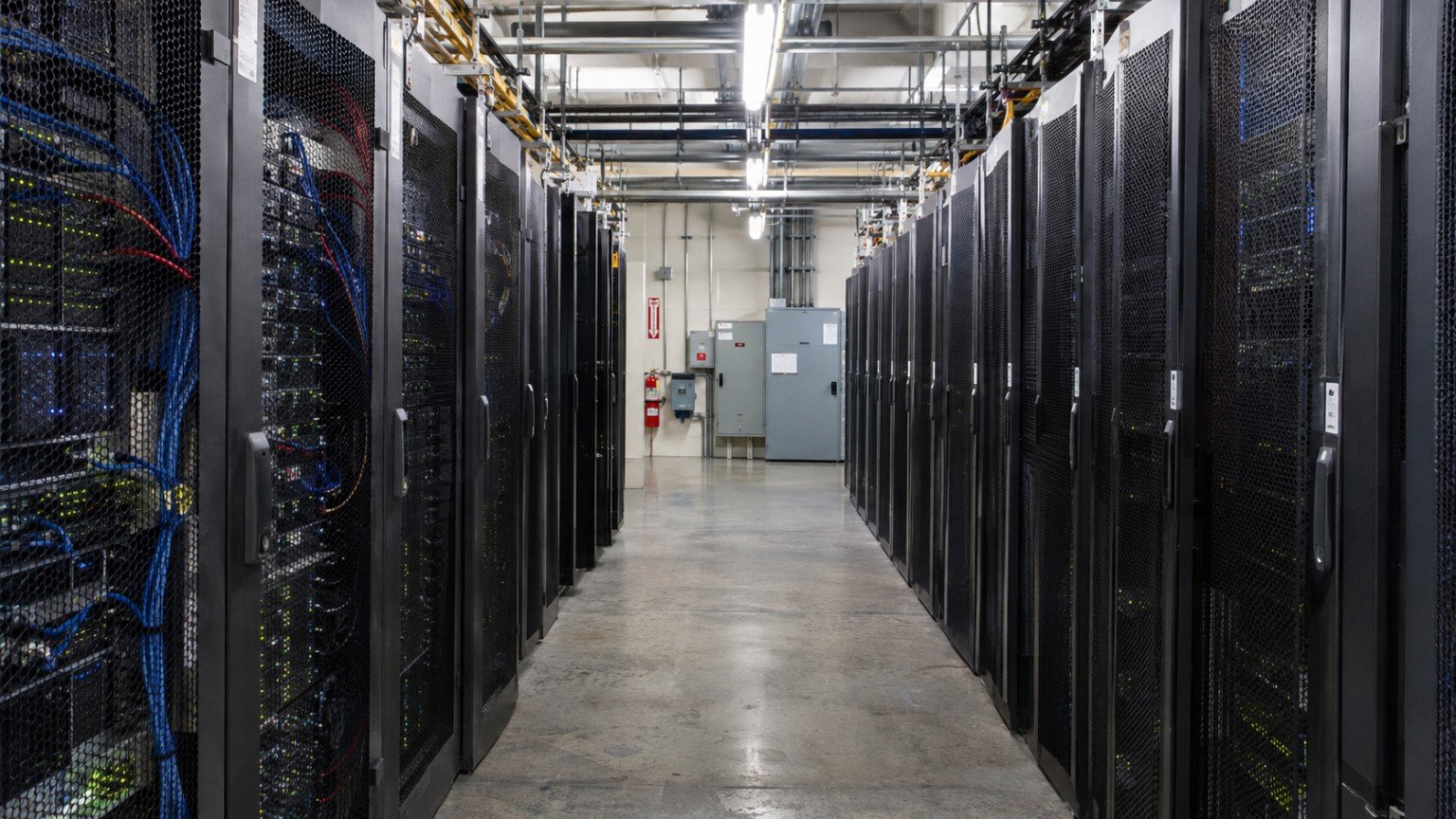
There’s also growing public resistance to data-center expansion over electricity costs, water consumption, and environmental concerns. Communities are raising questions about enormous power requirements, competition for water supplies, constant cooling-system noise, and air pollution from backup diesel generators. Concerns about wastewater and chemical handling are adding pressure for environmental reviews.
These frustrations became political issues in November’s elections, with Texas’s newly elected governor advocating a pause in new data-center approvals until stronger protections are established. The possibility of longer permitting delays or more expensive environmental requirements is now another financial risk for companies counting on rapid infrastructure expansion.
A Test of Confidence
And now the financial markets are reacting. Thursday’s sharp technology selloff sent the Nasdaq down 5.5%, while investors moved toward safer Treasury securities.
Taken together, these developments are pushing AI into a critical period. Anthropic’s IPO could become an important test of confidence in one of the industry’s defining companies. A disappointing offering could reverberate beyond Anthropic, raising questions about investor confidence, future AI valuations, access to financing, and whether capital might begin shifting elsewhere.
And all of this is unfolding amid geopolitical conflicts, pressure on energy prices, persistent inflation concerns, heavy debt burdens, and political uncertainty. The scale of the investments and the convergence of these pressures make this an unusually difficult moment to assess. Could Anthropic’s IPO become a turning point in how investors assess the AI boom?